
The heart performs a vital task in the body, but in some cases it suddenly stops and is unable to perform its usual function, which threatens life. With Al Mousa Specialist Hospital, you can learn about the symptoms of cardiac arrest and some other detailed information about it so that you can protect yourself and respond effectively in similar situations, because one second is the difference between life and death.
What is a cardiac arrest?
Cardiac arrest or Sudden Cardiac Arrest is a condition in which the heart stops suddenly, and thus blood is not delivered to the brain or other organs of the body, which causes death if the patient is not treated.
Causes of cardiac arrest
This condition occurs due to a sudden malfunction in the electrical system of the heart. These disturbances are so large that they prevent the heart from working at all or make it disturbed and not perform its function properly, thus stopping blood circulation in the body.
Symptoms of cardiac arrest
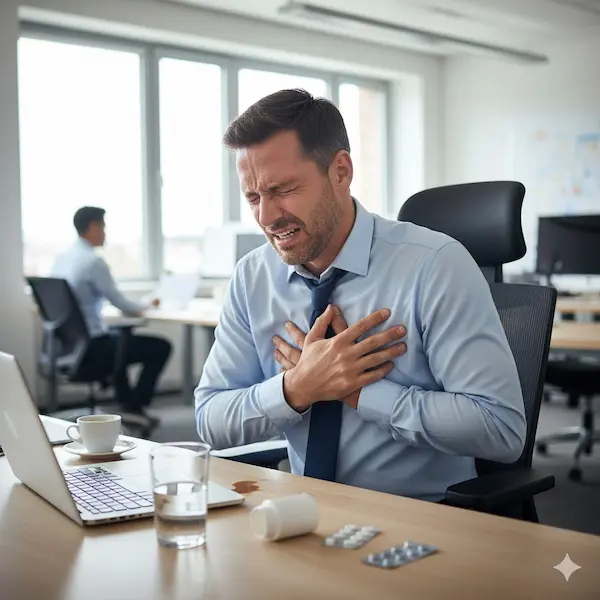
There are some symptoms that we notice in those who have had a heart attack: They include the following:
- Sudden loss of consciousness without any noticeable warning, where we find that the person was doing something and then suddenly fell.
- When we monitor breathing, we find that there is no breathing process, and if there is, it is very weak.
- Not feeling the pulse or feeling a very weak movement that does not resemble the usual pulse.
- In addition, the patient does not show any response to what is around him.
اقرأ ايضاً: عدم انتظام ضربات القلب: إليك حل نهائي ناجح مع مستشفى الموسى
What does a patient feel before a cardiac arrest?
Since the symptoms that appear on the patient are sudden and disturbing, it must be known that there are some symptoms that the patient feels before the stroke occurs, and it is important to pay attention to them. The most important of these symptoms are:
- Suddenly feeling very dizzy or losing balance frequently.
- Recurrence of the problem of rapid palpitations or irregular heartbeats, as the patient may feel that his heart is skipping a beat or trembling and not beating regularly.
- Palpitations and dizziness are accompanied by chest pain or a feeling of discomfort in the chest area.
- The patient goes through periods when he feels that breathing is difficult or that his body is not getting the amount of oxygen it needs.
- Unexplained fatigue even when performing light activities or while resting, but be aware that this fatigue appears suddenly.
- Digestive system problems such as nausea or the patient's general feeling of being in a bad state.
“These symptoms are very important for cases of heart problems or chronic diseases, and there are many cases of sudden stroke without any warning symptoms, so it is necessary to conduct periodic heart examinations and check on its health on a regular basis.”
First aid for cardiac arrest
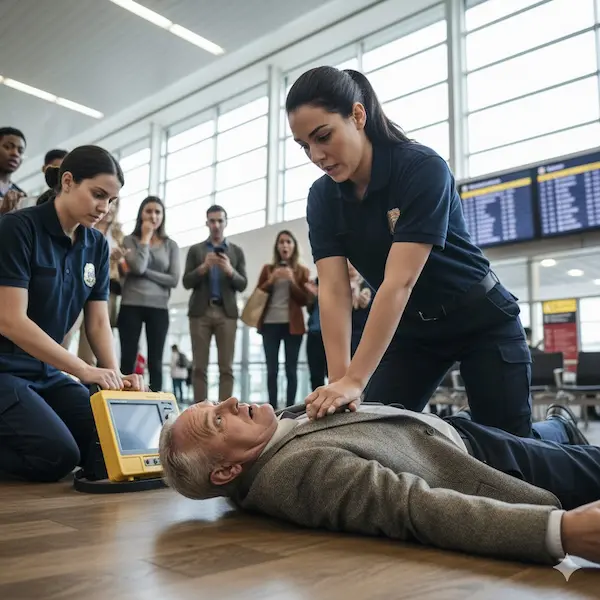
When someone suffers a cardiac arrest, every second is important, necessary and essential to saving his life, so it is necessary for everyone to know first aid methods for cardiac arrest, Which is done according to the following steps:
- Make sure that there are no dangers before providing assistance, and that the patient has fallen in a safe place away from the dangers of drowning, electrocution, etc.
- Check the response of the injured person, and if he does not respond at all, immediately contact the emergency number of Al Mousa Hospital directly.
- Start by checking the breathing, and if there are no breaths, start an operation Cardiopulmonary resuscitation.
اقرأ ايضاً: قصور القلب: مرض صامت يؤثر على جودة الحياة وكيفية التعايش معه
How is cardiopulmonary resuscitation performed in case of cardiac arrest?
Resuscitation is done step by step كالتالي:
- Have the victim lie on his or her back on a hard surface.
- Place the end of the palm of your hand in the middle of the chest and the other hand above it, and begin pressing hard and quickly.
- You should compress and then let the chest rise on its own before performing the next compression, applying pressure at a rate of about 100 to 120 times per minute.
- After every 30 pressures, raise the injured person's chin and block his nose, then blow into his mouth twice in a row, each time lasting for one second.
- You should watch the chest and make sure it rises with the breath, then perform 30 more compressions, then two breaths.
- It is important to continue chest compressions continuously and without stopping until the ambulance arrives.
- The only situations in which you should stop the ambulance are when the emergency team arrives, or when the person starts breathing or moving.
- If you feel that you cannot complete the task, someone else must do it.

What when arriving at the hospital?
When the ambulance arrives or the patient is transported to the hospital, doctors deal with him quickly. They do the following:
- Make a quick assessment of the situation.
- Completing the procedures that were performed with the patient. If he underwent cardiopulmonary first aid, an automatic defibrillator is used, and treatment continues according to what suits the patient’s condition.
- The patient is placed on devices that monitor the work of the heart, in addition to other devices that analyze electrical impulses to detect and correct abnormalities.
- Providing a safe breathing path, and giving the patient oxygen and special medications that stimulate his vital processes to save his life.
- After the condition stabilizes, a comprehensive examination is performed to discover the cause of the stroke, in addition to conducting analyzes and tests to ensure the integrity of the heart and brain functions.
- It is important that all of these procedures are done quickly, because stopping blood flow to the brain and body organs may harm them within a few minutes.
اقرأ ايضاً: أمراض صمامات القلب الأسباب والأعراض والعلاج
How is a cardiac arrest diagnosed?
Since this problem occurs suddenly, it is often treated first, and then a full diagnosis and examination is performed after the patient's condition stabilizes. The doctor does the following:
- Identify the patient's medical and family history.
- Start an electrocardiogram to monitor electrical activity.
- Conducting an echocardiogram, which helps ensure the health of the heart muscle and its valves and how it performs its function.
- The doctor may order blood tests to check the levels of some minerals in the body.
- Chest x-rays are performed to confirm the size of the heart and detect any changes in its structure or failure in its function.
- In some cases, cardiac x-rays and imaging of the blood vessels and arteries are performed to ensure they are safe and not blocked.
- There are other, more complex cases that require a specialized electrical study of the heart, which the doctor identifies and deals with in the appropriate manner.
Cardiac arrest treatment plans
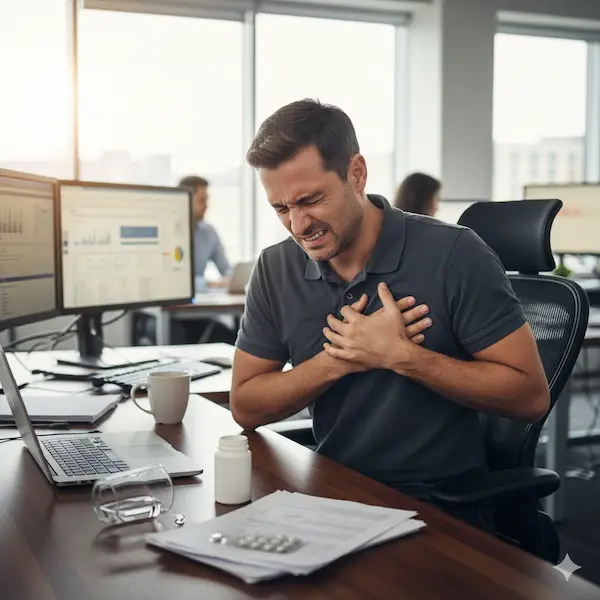
There is more than one treatment plan for this medical condition. We explain it in the following lines:
- Emergency treatment: This is what is done when a stroke occurs, and its goal is to restore the patient’s consciousness and restore the heart to work again.
- Aftercare: It is done after restoring the pulse, and includes examining the heart, confirming the existing problem, and putting it under control.
- Use of medications: To treat arrhythmia or to regulate blood pressure and protect the heart if there is a problem that requires it.
- Surgical intervention or devicesSome cases require surgical intervention, such as widening the arteries or performing open-heart surgery, or you can rely solely on installing devices that regulate the heart’s work to avoid the reoccurrence of a stroke.
- Therapeutic body coolingIn some cases, the pulse is restored but consciousness is not restored. The process of therapeutic body cooling is performed to reduce nerve damage. The doctor determines the method and duration according to the case.
اقرأ ايضاً: ما هي جلطة القلب؟ أعراضها وأسبابها وطرق العلاج
Complications of cardiac arrest
Cardiac arrest may lead to death, and there are other severe and dangerous complications that occur when treatment is delayed. ومن أهمها:
- Brain damage due to lack of perfusion with oxygenated blood, and this problem may cause many body functions to stop working.
- Respiratory failure due to cardiac arrest.
- Persistent heart rhythm disturbances.
- Failure of vital organs in the body such as the kidneys, liver and lungs.
- Weakness of the heart muscle and its inability to perform its function efficiently after a stroke.
- Bloodstream infection or pneumonia occurs due to the patient being exposed to mechanical ventilation.
- Some cognitive, behavioral, and motor problems may occur because certain areas of the brain are affected by ischemia.
- The need for rehabilitation varies according to the affected cells. Some need physical therapy to regain their motor ability, or speech and speech therapy to regain the ability to speak, and other rehabilitation programs as needed.

How to prevent heart attack
Preventing sudden cardiac arrest occurs when maintaining the health of the heart and arteries. وذلك عن طريق ما يلي:
- Follow a balanced diet rich in vegetables and fruits and low in fats and sugars.
- Maintain non-strenuous exercise for at least 30 minutes daily.
- Completely stay away from التدخين Of all kinds.
- Reducing caffeine intake: during the day, such as coffee and soft drinks.
- If you have any chronic disease, you must control it and follow your doctor’s instructions to prevent its complications.
- Avoid exposure to extreme stress and psychological pressure.
- Visit Al Mousa Hospital periodically to check on the health of your heart and arteries, especially if you or a member of your family suffers from any type of heart disease or chronic disease.
- Education and awareness of first aid methods for cardiac arrest, as well as identifying its symptoms.
Frequently asked questions about cardiac arrest and its symptoms
Knowing the symptoms of cardiac arrest is important to save the life of the injured person. Below, doctors provide answers to the most frequently asked questions related to this topic:
How many days do the symptoms of a heart attack last before it occurs?
إIf symptoms of cardiac arrest appear, they may last for several hours or a few days, but cardiac arrest often occurs suddenly and without obvious symptoms.
Is it possible to recover after a cardiac arrest?
Recovery depends on the speed of intervention, the patient's health condition, and the extent to which the brain and other organs are affected by stroke and cardiac arrest.
What is the difference between a heart attack and a cardiac arrest?
The difference between a heart attack and a cardiac arrest appears in the cause of each. A heart attack occurs as a result of a blocked coronary artery, while a cardiac arrest results from an electrical disturbance in the heart's rhythm.
ختامًا Knowing the symptoms of a cardiac arrest may save a patient’s life if those around him have sufficient awareness to deal with it. If you want to check on the health of your heart or become better acquainted with methods of rapid intervention in such cases, contact us now at Al Mousa Specialist Hospital.
