
A meniscus tear is a type of injury that occurs in the knee. This tear results from exposure to a collision, weight gain, or other causes, and causes severe pain in the knee area that hinders normal movement, as it is one of the common problems that many people of different ages suffer from and requires medical intervention and an expedited solution to this problem in a good way, so follow us to learn more details about this problem, its symptoms, causes, and methods of treating it correctly.
ما هو تمزق الغضروف الهلالي
تمزق غضروف الركبة هو عبارة عن تمزق يحدث في الغضروف الموجود في الركبة بسبب التعرض للالتواء أو الانثناء بطريقة قوية على مفاصل الركبة، قد يتسبب في حدوث تمزق في الغضروف الذي يحيط بالركبة، يحتوي المفصل الموجود في الركبة على غضروف هلال جانبي وفي الوسط، ويكون بين عظمة الساق وعظمة الفخذ.
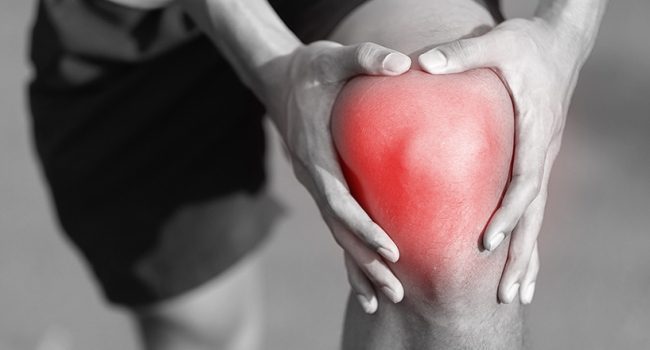
A tear in this cartilage causes severe pain, swelling of the knee area, and an inability to move the knee easily. This pain may require complete rest and heal on its own, or it may require surgery depending on the degree of the tear present.
Causes of meniscus tear
There are a number of reasons that lead to a tear in the knee cartilage, including the following:
Tearing due to exercise
A tear in the knee cartilage occurs if you exercise and make sudden, violent movements. Among the sports that cause this problem are basketball, football, skiing, and other sports that cause trauma to the knee.
Performing job tasks
A tear in the knee cartilage may occur due to performing some normal daily functional tasks, such as sitting in a squatting position or other usual movements, but it may occur violently or due to an increase in weight, causing this type of tear to occur.
Or this tear may occur due to carrying heavy objects while squatting, because it causes a load on the knee area, causing this type of collision.
Degenerative meniscus tear in the elderly
Many elderly people are exposed to this problem due to the wear and tear that occurs as a result of age in the knee cartilage. Therefore, elderly people are more vulnerable to this problem, especially if they make incorrect movements that affect the knee.
Symptoms of a meniscus tear
In the event of a meniscus tear, there are a group of symptoms associated with this problem, the most important of which are the following:
- Swelling and stiffness in the affected knee area.
- Cracking and feeling when moving the knee.
- Difficulty in fully straightening the knee.
- Feeling like the knee is locked when moving.
- Knee instability.
- Difficulty standing or sitting.
- Sounds coming from the joints in the knee.
- Fluid accumulation in the knee.
- Severe pain in the affected area.
Read also: Does it heal? الانزلاق الغضروفي Causes and most important symptoms
How is a meniscus tear diagnosed?
In order for the doctor to be able to identify the causes of a meniscus tear, he initially performs a physical examination on the patient to assess the degree of the injury. He also performs X-ray examinations that reveal the presence of any bone fractures or any problems inside the knee more accurately.
In some cases, the doctor needs to diagnose the problem through an MRI of the knee cartilage, which shows more details. The tear in the knee is mild at first, and pain appears when bending the leg or swelling in the knee or moving it, and the pain gradually increases whenever the problem is neglected and treated in a proper manner.
Treatment of meniscus tear
In the case of early diagnosis and if the degree of injury is minor, it does not require any surgical intervention, and the tear can be treated by rest and doing some physical therapy sessions. Also, the doctor may depend on giving some medications to the patient that help speed up recovery, but if the tear is large and the knee does not move, in this case the doctor needs to perform surgery on the patient.
The patient needs a sufficient period of time determined by the doctor so that he can return to his normal daily activities easily, including walking and running. Recovery takes a longer period of time. The treatment period to be followed depends on the degree and severity of the injury, and the recovery period usually takes between 4 to 6 weeks, depending on the recovery time.
In the case of knee cartilage repair operations, the operation may take about two hours and is performed under full anesthesia. In some cases, partial anesthesia is performed depending on the type of problem and the method of treating it.
When does a meniscus tear require surgical intervention?
Not all cases of meniscus tear require surgical intervention because some cases may heal on their own if you rest for a period of time, because the procedure for surgery depends on the degree of tear, the patient’s age, and his health condition. Many cases heal through physical therapy, and resorting to solving the problem of knee cartilage tear is in the event that other treatment methods fail, and treatments are performed in the following cases:
- If the knee stops moving completely.
- If the pain continues after the injury and is severe and difficult to bear.
- Also in the event of a fluttering tear that occurs in the meniscus.
- When exposed to the inner or middle area of the meniscus.
Book your consultation now at Orthopedic center At Al Mousa Specialist Hospital.
How is surgery to treat a meniscus tear?
Surgery for a torn meniscus is performed in the hospital according to what the doctor deems appropriate and based on the patient’s health condition, which is as follows:
- The surgery will take place in the agreed-upon hospital after setting the appropriate date.
- The surgeon makes a small incision on both sides of the knee to insert the scope through it.
- The doctor inserts the small speculum and tubes designated for the operation through the existing incision to perform the operation.
- The meniscus is repaired or the torn cartilage or part of it is removed according to each patient’s condition.
- If the tear is recent, the cartilage base, which contains many blood vessels, is repaired and sutures are used to treat the tear.
- The surgeon determines the amount and type of sutures according to the degree of tear in the patient and the condition of the cartilage.
- The patient may need to have new knee cartilage transplanted from a donor instead of torn cartilage.
- Knee cartilage can be replaced, whether in the middle or sides, depending on the degree of injury. It is obtained from a donor from an international transplant center. It may take a long time to find a donor.
- Artificial knee cartilage can be installed to repair damaged tissue. It is a spongy material with a porous structure that helps build blood vessels correctly.
- After completing the operation, the patient needs a rehabilitation period of no less than six weeks in order to be able to move the knee in a natural way and put body weight on it.
- The knee should remain completely straight after the operation and not bent so as not to break the stitches. The knee should be fixed with a special brace to ensure that it does not move.
اسئلة شائعة
Can a meniscus tear be cured?
Yes, there are many cases in which a torn meniscus may be recovered without the need for surgery, depending on the degree of injury and early diagnosis, and treatment depends on rest and physical therapy.
Does the meniscus heal on its own?
Yes, there are some cases that do not require surgical operations and recovery occurs by performing some simple exercises under medical supervision to facilitate knee movement and treat the tear gradually.
Does walking hurt a meniscus tear?
Walking does not cause problems for people with simple cartilage tears, but walking should be moderate and without pressure on the knee, and walking should not be for long distances so as not to cause stress on the knee.
Is it possible to live with a meniscus tear?
Yes, it is easy to live with the problem of a knee tear if the tear is simple and does not require medical intervention, especially if the patient adheres to all the instructions prescribed by the specialist doctor. It is possible to recover from this problem if you perform exercises and physical therapy and follow the doctor’s instructions.
If you suffer from symptoms of a torn meniscus, you should quickly go to a specialist doctor, because early diagnosis helps identify the problem and speed up treatment in a correct manner, as there is no need for surgery, because ignoring the problem may require medical and surgical intervention to get rid of it.
Sources and references
Torn Meniscus – Cleveland Clinic
Anatomy – orthoinfo
