
The crisis of Tramadol addiction creeps into individuals' lives in a hidden way, as it often begins with a simple painkiller, before turning into an endless cycle of physical and psychological dependence on this drug, which is primarily prescribed to relieve moderate to severe pain. It initially deceives its users with a feeling of euphoria and temporary comfort, but it quickly turns the scales around to become an indispensable daily necessity. Follow with us this article from Al Mousa Specialist Hospital. We will show you how the use of Tramadol turns into addiction.
What is tramadol?
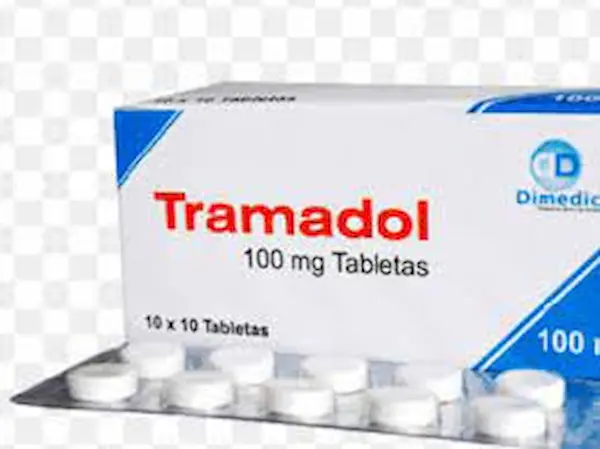
Tramadol is a pain reliever that belongs to a class of medications known as opioid analgesics. It is used to treat moderate to severe pain, whether acute or chronic, and affects the brain to change the way the body perceives pain.
Tramadol acts on the central nervous system and binds to opioid receptors in the brain, which reduces pain signals and changes the body's response to it. It also works as an inhibitor of the reuptake of serotonin and norepinephrine, which are two neurotransmitters that play a role in feeling pain and mood.
How does Tramadol addiction begin?
Tramadol addiction usually begins through several stages, here are their details:
- Many people start taking Tramadol with a prescription to treat moderate to severe pain.
- As the body gets used to the medication, the user may resort to increasing the dose without medical advice to obtain the same analgesic effect.
- Then some people start using Tramadol to feel euphoric or escape from psychological problems.
- Over time, the situation develops into physical and psychological dependence, as the user feels that he cannot work or concentrate without the medication.
- Despite the appearance of negative effects on his health, social and work life, the person continues to use and finds himself unable to stop Tramadol addiction.
Learn about: Symptoms of addiction to tranquilizers Don't ignore the risks
Physical symptoms of Tramadol addiction
In fact, the physical symptoms of Tramadol addiction are divided into two main categories: symptoms of continued use and withdrawal symptoms. The physical symptoms during continuous use are as follows:
- Functional slowdown, resulting from a feeling of extreme sleepiness and unusual relaxation.
- Slowed breathing, which is one of the most dangerous side effects, especially when taking high doses.
- Dizziness and vertigo.
- Poor motor coordination.
- Digestive problems, from chronic constipation which is very common to opium derivatives such as tramadol.
- Nausea and vomiting.
- Epileptic seizures: Tramadol lowers the threshold for seizures, which means it increases the likelihood of them occurring, even in people without a history of epilepsy, especially at high doses.
- Tremor in the hands or body.
- Rapid or irregular heartbeat.
- Low blood pressure.
- Blurred vision.
- Skin itching, which is common with opioid analgesics.
- Long-term sexual dysfunction.
- Loss of appetite and weight loss.
Psychological and behavioral symptoms of Tramadol addiction
Of course, the symptoms of Tramadol addiction are not limited to physical symptoms only, but it has a profound impact on the psychological health and daily behaviors of the individual and includes:
أولا: الأعراض النفسية
These symptoms relate to the mood, thinking, and emotional state of the addict, including:
- Obsessive-compulsive disorder about the medication, and the obsession with obtaining the dose and taking it, is the main focus of a person's life, as it takes up most of his time and mental energies.
- Severe mood swings, from feeling a brief imaginary euphoria and psychological relief after taking the dose to severe depression and irritability when the effects of the dose begin to wear off and the person becomes inclined to aggression for the most trivial reasons.
- Anxiety and accompanying disorders, including panic attacks in some cases, and general and persistent anxiety, especially if he has difficulty obtaining medication.
- Depression and loss of pleasure in hobbies and activities that he previously enjoyed.
- Feeling feelings of despair, deep sadness, and worthlessness.
- Psychosis and paranoia in advanced cases or at very high doses, where the person suffers from a disturbance in perception, auditory or visual hallucinations, with paranoid delusions and an irrational feeling that everyone is against him.
- Emotional isolation, where he becomes indifferent to the feelings or problems around him, and lacks empathy for others.
Second: Behavioral symptoms
It includes noticeable changes in a person’s behavior and behavior as a result of Tramadol addiction, examples of which include:
- Changes in routine and responsibilities, from neglecting work or school and decreased performance with frequent absences or even loss of work.
- Neglecting personal hygiene and external appearance.
- Introverted behaviors, social isolation, withdrawal from family life, and preference to remain alone.
- Change your circle of friends and start associating with new people associated with drug use.
- Driving under the influence of medication, endangering his life and the lives of others.
- Engaging in risky sexual behaviors.
- Frequent visits to more than one doctor to obtain multiple prescriptions, and purchasing medicine from illegal sources.
- Stealing or borrowing to secure the price of medicine.
- Denying the existence of an addiction problem despite clear evidence, and responding aggressively when confronted about his use.
- Blaming others or the surrounding circumstances to justify his continued use.
Book your consultation now at Well-being center At Al Mousa Specialist Hospital.
Reasons for the spread of Tramadol addiction
The spread of Tramadol addiction is largely due to a complex interaction of multiple factors, rather than a single cause, which are as follows:
- The dual effect of Tramadol is that it is not only an opioid analgesic but also has an effect similar to antidepressants. This gives the user a dual feeling of euphoria and improved mood, which increases the possibility of addiction.
- Availability, especially in illicit channels, and the relative price of tramadol compared to other powerful opioid analgesics.
- Initially inaccurate prescribing as safer and less addictive than traditional opioid analgesics, this led to excessive and inaccurate prescribing for pain that may not require its strength.
- The lower social stigma towards Tramadol compared to other traditional drugs such as heroin, has made some people dare to try it.
- Seeking to escape from the pressures of economic and social life and the despair resulting from unemployment, they use it as a means of imaginary escape from reality.
- Transferring culture among peers, as it is widely spread among groups of friends and workers in some hard professions, as a result of its promotion as increasing energy and stamina and improving sexual performance.
- Illicit trade and the existence of networks that smuggle and distribute it illegally, ensuring its continued flow to markets even with tightened controls.
- Some people who suffer from psychological disorders resort to it as a form of self-treatment without a medical diagnosis, to escape from these feelings.
Frequently asked questions
How long does tramadol addiction treatment take?
The duration of treatment for Tramadol addiction is not fixed for everyone, but it usually ranges between 3 to 6 months as a minimum for the basic program, and may extend to a year or more for follow-up and long-term support to prevent relapse.
Determining the total duration of treatment depends on several factors, including the severity of the addiction, the health and psychological state of the addict, the speed of his response to treatment, the support of those around him, and the treatment program followed with the patient.
Does Tramadol cause addiction from the first use?
No, Tramadol addiction does not occur completely from the first use, but it strongly tempts the user to repeat the experience because of its strong psychological effect, and this desire for repetition is the quick gateway that leads to physical dependence and complete addiction in a very short time.
Therefore, the best decision is to never try it, as even a single use can be the beginning of a very dangerous and difficult road to come back from.
Because Tramadol has a strong psychological effect, the first-time user feels strong positive feelings such as euphoria, self-confidence, and the disappearance of pain and worries, which creates a strong memory in the brain that links taking the drug with feeling good, and prompts the person to want to repeat the experience to feel the same effect.
Also, the human body adapts to Tramadol at an amazing speed, and after only a few doses, the user may find that the same dose no longer produces the desired effect, and this is what prompts him to increase the dose to get the same feeling, which is the beginning of a vicious cycle that quickly leads him to physical dependence and then addiction.
Does a Tramadol addict return to normal after treatment?
Yes, of course a Tramadol addict can return to a normal, normal life after successful and comprehensive treatment, but this does not mean that it is easy or that it is like recovering from a cold.
Returning to normal here means regaining control over life, returning to work and relationships, and living without the need for drugs, but it is often a new normal in which the person learns new mechanisms.
In conclusion, Tramadol addiction is one of the serious challenges that requires specialized and comprehensive intervention. It is not just a behavioral problem, but rather a chronic disease that affects the body and mind and requires a long-term treatment journey.
Choosing Al Mousa Specialist Hospital represents a decisive step towards recovery, as the hospital offers an integrated addiction treatment program, starting with safe detoxification under specialized medical supervision, all the way to psychological and behavioral rehabilitation programs that help the addict understand the roots of the problem and develop healthy mechanisms to deal with life’s pressures without resorting to drugs.
فلا تتردد في زيارتنا للحصول على الاستشارة والعلاج الأمثل أو الاتصال على الأرقام المدونة على الموقع للمزيد من التفاصيل والحجز والاستفسار.
Sources
Tramadol Withdrawal Symptoms, Timeline & Detox Treatment – americanaddictioncenters