
A urinary tract infection in women is an infection that affects any part of the urinary system, from the kidneys and bladder to the urethra.
Learn with Al-Mousa Health about ways to treat urinary tract infections in women, and the best medicinal and non-medication options to treat active infections and prevent their recurrence.

What is urinary tract infection in women?
A urinary tract infection is a bacterial infection of the urinary system.
Statistics indicate that about 50-60% of women will develop a urinary tract infection at least once during their lives, and the risks in women increase with sexual activity, hormonal changes, and anatomical factors of the urinary system.
The severity of urinary tract infections in women varies from simple cases that are limited to the bladder, to complex infections that may reach the kidneys and require quick treatment, and even recurrent infections that require a long-term treatment plan.
Symptoms of urinary tract infection in women
Symptoms of urinary tract infection in women vary depending on the location and severity of the infection. The most common signs include:
- Burning and pain: A stinging or painful feeling when urinating.
- Frequent urination: A strong and frequent desire to urinate in small amounts.
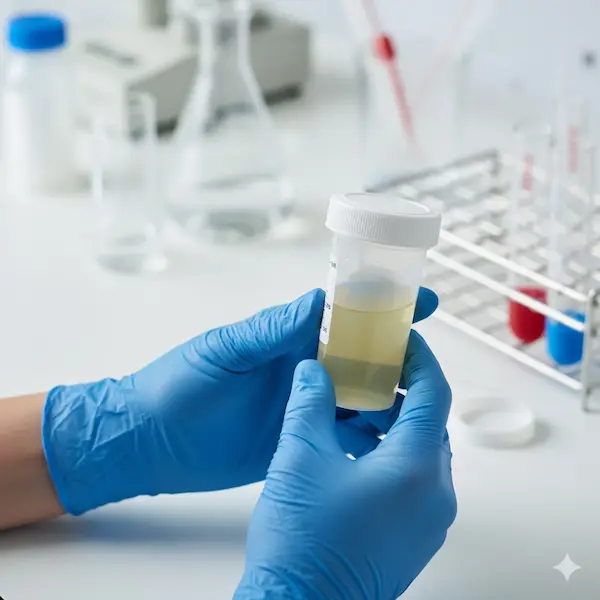
- Urine change: It becomes dark, cloudy, or contains blood, and has a strong odor.
- Pelvic pain: Pain in the lower abdomen or pubic bone area.
- Other symptoms: It may be accompanied by nausea or chills if the infection extends to the kidneys.
اكتشف المزيد عن: Symptoms of urinary tract infection in women and effective treatment methods
How is urinary tract infection treated in women?
Treatment of urinary tract infections in women depends on an integrated treatment plan that includes the use of antibiotics for drug treatment, in addition to non-drug treatments such as herbs and supplements, with the use of analgesics when needed, and attention to a healthy lifestyle that ensures prevention and reduces the risk of recurrence of infections.
Treatment varies according to age group and health condition;
العلاج الدوائي بالمضادات الحيوية
Treatment of urinary tract infection in women depends mainly on the use of antibiotics prescribed by the doctor after evaluating the condition.
These medications work to eliminate or stop the growth of the bacteria causing the infection, leading to relief of symptoms and gradual restoration of the health of the urinary system.
There is no single antibiotic that is considered the most appropriate for everyone, because the choice depends on the type of bacteria, the severity of the infection, and the patient’s health condition.
For simple infections, medications such as nitrofurantoin, fosfomycin (often as a single dose), or trimethoprim/sulfamethoxazole are often used. For complex or recurrent cases, the doctor may choose broad-spectrum antibiotics such as ciprofloxacin to ensure that the infection is effectively controlled.
These medications are prescribed by a doctor, and you must adhere to the prescribed medication and the required dosage.
The duration of treatment usually ranges between 3 to 7 days, and may extend to two weeks in severe or recurrent infections. It is necessary to complete the full duration of treatment as determined by the doctor, even if the symptoms disappear early, to avoid the return of the infection or the development of bacterial resistance that is difficult to treat later.
The best natural treatments for urinary tract infections in women
- Cranberry: It helps prevent bacteria, especially E. coli, from sticking to the wall of the urinary tract.
- Bearberry (Uva Ursi): It contains arbutin, which has antibacterial and antiseptic properties for the urinary tract.
- Garlic: It is rich in antimicrobial compounds such as allicin, which contribute to fighting bacterial infections.
- Parsley: It acts as a mild diuretic and helps expel bacteria and relieve pain.
- Green Tea: It contains antioxidants that support general health and enhance resistance to infections.
- Ginger: It has anti-inflammatory and antibacterial properties, and helps reduce symptoms.
- Horsetail: A natural diuretic that helps clean the urinary tract from bacteria.
- Probiotics: Found in yogurt and some supplements, it may help support the balance of normal bacteria in the urinary system and vagina.
Helpful methods for treating urinary tract infections in women
In addition to drug treatment, there are several methods that help speed up healing and get rid of bacteria. These methods are also essential for preventing urine infections. These methods include:
- Frequent urination: It is recommended not to hold urine for long periods, and to urinate immediately after sexual intercourse to limit the transfer of bacteria to the bladder.
- Maintaining personal hygiene: Clean from front to back after using the bathroom, and avoid sanitizers or perfumed products that may irritate the genital area.
- Drink plenty of water: Drinking water regularly helps clean the bladder and expel bacteria, and is considered one of the simplest and most important means of prevention and treatment.
- Dietary precautions: Avoid caffeinated drinks and spicy foods, as they may irritate the bladder and make symptoms worse.
Treating recurrent urinary tract infections in women
Treating recurrent urinary tract infections requires a more comprehensive approach that combines antibiotic selection strategies, duration of treatment, and post-treatment strategies that include lifestyle changes and some non-drug options.
Strategies for using antibiotics (prescribed only by a doctor):
- Duration of treatment: The duration of antibiotic treatment usually lasts longer than in infrequent cases, and may range from two weeks to a full month depending on the severity of the infection.
- Choosing an antibiotic: The type of antibiotic is determined based on the urine culture result, and in some cases the doctor may prescribe more than one antibiotic together to ensure control of bacteria.
- Preventive treatment: It involves taking low doses of the antibiotic daily for several months, or taking a single dose after sexual intercourse if infections are associated.
- Self-directed therapy: Giving the patient a ready-made prescription to start treatment as soon as symptoms appear, after training her to correctly recognize the early signs of inflammation.
- Non-drug treatments: Anti-urinary inflammatory herbs such as cranberry, D-Mannose and Methenamine Hippurate are prescribed to women to prevent recurrence of infections for a long period that may reach several months.
Treatment of urinary tract infection in pregnant women
Pregnant women are more susceptible to urinary tract infections, and these infections are often classified as complicated infections due to the physiological changes that accompany pregnancy.
Treatment depends on choosing a safe antibiotic for pregnancy after conducting a urine analysis and culture to determine the severity of the infection, the type of bacteria, and choosing the most effective and safe antibiotic.
It is necessary to be aware that high white blood cells in the urine in pregnant women may sometimes occur without clear symptoms. In this case, a doctor must be consulted to determine whether the condition requires starting treatment or whether follow-up can be sufficient.
Prevention remains an essential factor during pregnancy, as it is recommended to drink plenty of water, reduce salt intake in food, and follow healthy habits that reduce the possibility of recurrence of inflammation.

Treatment of urinary tract infection in postmenopausal women
UTIs are common after menopause because estrogen decreases, which reduces the vagina's protection and changes its bacterial balance, making the tissue thinner and more susceptible to bacteria.
Treatment of UTIs in postmenopausal women relies on antibiotics to treat active infections, with greater emphasis on long-term prevention associated with lower estrogen levels.
Preventive treatment at this stage includes the use of topical estrogen therapy (such as creams, tablets or vaginal rings) with the aim of improving tissue health and restoring vaginal balance.
اقرأ أيضًا: Urinary tract infection in men
Treatment of urinary tract infection in married women
Marital relations are one of the most important factors for transmitting bacteria to the urethra in married women, especially in the case of allergies or accompanying vaginal infections, making it one of the most common causes of urinary tract infections in this group. They include the following:
- Urinate after sexual intercourse and wash the genital area gently To reduce the transmission of bacteria to the bladder.
- Correct personal hygiene: Wipe from front to back after using the bathroom.
- Avoid irritants: Such as scented soap or frequent vaginal douches, which may upset the balance of the vagina's natural environment.
- Adherence to general preventive measures: Drink enough water and reduce salt intake, especially when infections recur.
Get continuous follow-up and a safe and effective treatment plan with “Al Mousa Health”
Don't let urinary tract infections affect your day and life.Health Moussa“You will receive accurate medical follow-up, customized treatment plans, and preventive advice that will help you heal and prevent recurrence of infections. Rely on experts to provide appropriate care for your urinary system and maintain your health safely and effectively.
The most important frequently asked questions about treating urinary tract infections in women
What is the best antibiotic for urine infections in pregnant women?
The choice of antibiotic depends on the type of bacteria, the severity of the infection, and the safety of the drug during pregnancy.
تعرف أيضًا على: Symptoms of urinary tract infection... causes and treatment methods
What is the best treatment for urinary tract infection for women?
The best treatment for urinary tract infection in women depends on: المضادات الحيوية Prescribed by the doctor, in addition to natural antibiotics, and the importance of drinking sufficient amounts of water to reduce the infection.
How do I get rid of a urinary tract infection at home?
To relieve the symptoms of a urinary tract infection at home, be sure to drink large amounts of water to stimulate the expulsion of bacteria, avoid holding urine for long periods, keep the genital area clean, use warm compresses to relieve pain, and you can drink unsweetened cranberry juice to support prevention.
