
Treating swollen external hemorrhoids is an essential step to regain comfort and get rid of the inconvenience that may affect the quality of daily life, as many people search for effective solutions that help them overcome this problem and return to practicing their activities normally.
Causes of the appearance of external hemorrhoids
External hemorrhoids appear as a result of increased pressure on the veins surrounding the anus, which leads to their expansion and swelling. This pressure may be the result of several factors, The most notable are the following:
- As the years pass, blood vessels lose their normal elasticity and become more susceptible to bulging, so the possibility of developing the condition increases in people over middle age.
- Activities that raise intra-abdominal pressure, such as lifting heavy weights or chronic coughing, directly affect the rectal and anal area. This repetitive pressure places an additional burden on the veins.
- Lack of movement and sitting for long periods Continuous sitting hinders normal blood flow in the pelvic area, so blood collects inside the veins surrounding the anus.
- An unhealthy diet: Eating low-fiber foods leads to frequent constipation, which is one of the most important causes, as this increases pressure on the veins and leads to their enlargement.
- Pregnant women are more susceptible to infection due to the pressure of the fetus on the intestines and the increase in blood volume in the body. Hormonal changes also affect the elasticity of blood vessels, making them more susceptible to bloating during pregnancy and after birth.

Signs that reveal external hemorrhoids
Knowing the signs of hemorrhoids helps to quickly diagnose and begin appropriate treatment before the condition worsens. The most prominent signs that can reveal an infection are the following:
- The appearance of lumps or swelling around the anal area. In many cases, the patient notices the presence of a protrusion or small lump next to the anus, and it may be painful when sitting or while defecating.
- The presence of bright red blood that appears on the toilet paper or mixed with the stool. Sometimes the bleeding is accompanied by pain, and sometimes it occurs without pain, but it remains an important indicator of a problem with the blood vessels surrounding the anus.
- Some patients feel as if the defecation process is not complete, due to the presence of mucus secretions in the rectum. This mucus may cause a feeling of discomfort or a constant need to go to the bathroom.
- Persistent itching or burning in the anal area is a common symptom. The reason is due to inflammation or secretions that irritate the skin.
Also get to know me How to treat internal hemorrhoids at home?
Factors that worsen external hemorrhoids
Being aware of the factors that worsen hemorrhoids helps the patient avoid behaviors that delay healing, and is an essential part of an effective treatment plan. The most important factors that make symptoms more severe are:
- Repeated pressure to expel solid stool increases the burden on the veins around the anus, which leads to their enlargement and increased swelling. Constant constipation quickly worsens the condition and prolongs the recovery period.
- Continuous sitting, especially on hard surfaces, reduces blood flow in the pelvic area, leading to congestion and enlargement of the veins. This factor is very common among employees and drivers.
- Excess weight puts constant pressure on the veins in the lower part of the pelvis, making them more susceptible to inflammation and congestion, thus making symptoms more severe and difficult to control.
- Certain sports, such as heavy squats or vigorous abdominal exercises, increase pressure on the pelvis and can lead to larger hemorrhoid bulges or increased pain after exercise.
- Postponing going to the bathroom makes the stool harder inside the rectum, which subsequently leads to higher pressure during bowel movements and worsens the condition.
- Use rough toilet paper or one moistened with perfume. This type of paper may cause irritation of the skin surrounding the anus, and increase inflammation and itching, especially in the presence of already swollen external hemorrhoids.
- Excessive reliance on laxatives, although they sometimes help relieve constipation, excessive use of laxatives can cause disturbances in bowel movement and lead to constant irritation, and this increases inflammation.
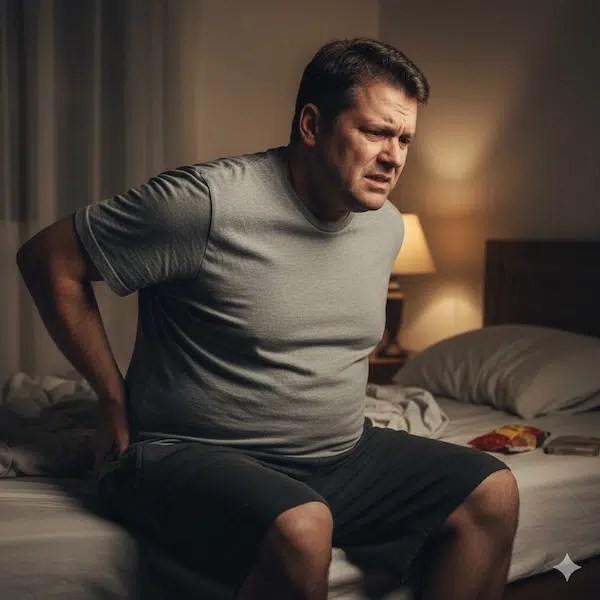
Diagnosis of external hemorrhoids and how to examine them
When diagnosing external hemorrhoids, doctors rely on a group of clinical examinations that help accurately evaluate the condition and rule out any other problems. The examination steps can be found as follows:
- The doctor examines the area around the anus to confirm the presence of protruding or swollen external hemorrhoids. This examination helps determine the size, color, and presence of signs of bleeding or any blood clotting.
- The doctor asks a group of questions about symptoms such as pain while sitting, bleeding after defecation, itching, or lumps near the anus. He also asks about feeding pattern, bowel habits, and general health history.
- Although external hemorrhoids appear on the surface, the doctor may perform a digital rectal examination using a gloved finger to check for associated internal hemorrhoids or rule out other diseases such as anal fissure or infections.
- If symptoms are severe or unclear, the doctor may use a small, lighted speculum inserted a short distance into the anal canal to clearly see the internal parts and make sure there are no additional problems.
- The symptoms of hemorrhoids may be similar to other conditions such as anal fistula, anal fissure, polyps, or skin infections, so the doctor relies on a combination of visual examination and tests to ensure the correct diagnosis.
- Evaluate the degree of inflammation or the presence of blood clotting (thrombosed hemorrhoid), as it may require rapid intervention or a simple incision to relieve the pain.
- When symptoms are severe or the condition is difficult to diagnose clinically, the patient may be referred to a specialized center. In such cases, Al Mousa Specialist Hospital provides accurate examinations using the latest endoscopy devices and advanced experience in evaluating complex hemorrhoid cases. This helps to choose the optimal treatment quickly and safely.
- If there is heavy or persistent bleeding, the doctor may recommend additional tests, such as a colonoscopy or blood tests, to ensure that the bleeding is not caused by another problem in the digestive system.
Also get to know me The 3 best ways to treat hemorrhoids and what are the appropriate topical ointments?
Treatment of swollen external hemorrhoids
There are many treatment methods, ranging from simple home methods to advanced medical and surgical interventions They are as follows:
Home treatment
It is considered the first option in simple cases. It includes the following:
- Warm baths to relieve pain and swelling.
- Cold compresses to reduce swelling.
- Eat a diet rich in fiber and drink plenty of water to facilitate excretion and prevent constipation.
- Use alcohol- and fragrance-free moist wipes instead of dry paper to reduce irritation.
العلاجات الدوائية
When symptoms persist, many therapeutic methods can be used to soothe the area or for treatment as follows:
- Creams or ointments containing hydrocortisone or lidocaine to relieve pain and itching.
- Suppositories to reduce inflammation inside the anal canal.
- Simple painkillers such as paracetamol or ibuprofen.
- Steroid creams should only be used for a short time and under a doctor's supervision.
Advanced treatments
In severe cases or accompanied by complications such as bleeding or clotting, The doctor may recommend the following to treat swollen external hemorrhoids:
- Laser or thermocoagulation to shrink hemorrhoids quickly and with less pain.
- Rubber band ligation is often used for internal hemorrhoids but may be helpful in some external cases.
Conventional or robotic surgery
In advanced cases of swollen external hemorrhoids, home or medicinal methods may not be sufficient. Here, surgical intervention is the most effective solution, as follows:
- Hemorrhoidectomy, which completely removes the swollen tissue, is the most effective for advanced cases.
- Availability Al Mousa Specialist Hospital Robotic technology is a modern technology that provides higher accuracy, less bleeding, and less pain after the operation, with faster recovery compared to traditional surgery.
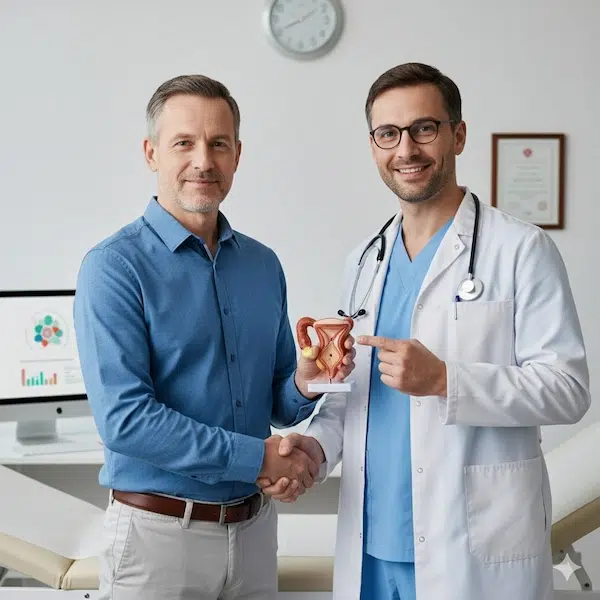
Complications of swollen external hemorrhoids
Although bulging external hemorrhoids are often simple and treatable, it is important to recognize this complication early to avoid worsening the condition. The most prominent complications are the following:
- Anemia resulting from continuous bleeding. In some rare cases, recurrent bleeding from hemorrhoids may lead to long-term blood loss. This loss reduces the number of Red blood cells Responsible for transporting oxygen to the body's tissues.
- Strangulated hemorrhoid occurs when blood flow to the internal hemorrhoid is interrupted due to severe pressure or blockage in the blood vessels supplying it. This interruption leads to blood retention within the tissues.
- Thrombosed Hemorrhoid: Sometimes a blood clot forms inside the external hemorrhoid. This condition is not life-threatening, but it causes severe and sudden pain, with a hard and painful mass appearing next to the anus.
Discover with us A treatment method that eliminates hemorrhoids permanently using the latest medical technologies.
Expected healing time for external hemorrhoids
The recovery period for swollen external hemorrhoids varies depending on the severity of the condition and the treatment method used. It is important to know the expected duration of recovery so that the patient can proceed as follows:
- Simple casesWhen home treatment is followed, such as warm baths, cold compresses, and increasing fiber in the diet, symptoms often improve within days, the swelling gradually subsides, and the patient regains his ability to sit and move more comfortably.
- اFor moderate cases, If the symptoms are more pronounced or last longer, the patient may need to use topical creams or suppositories. In this case, recovery takes several consecutive weeks of treatment until the symptoms disappear completely.
- Cases accompanied by complications Like a thrombosed hemorrhoid, the patient may need medical intervention to drain the clot or treat bleeding. Here, the recovery period is longer.
- surgical cases, When resorting to hemorrhoidectomy or robotic surgery, the patient usually needs a longer recovery period that may exceed a month.
Frequently asked questions
Why do the symptoms of hemorrhoids increase in women during the menstrual cycle?
The symptoms of hemorrhoids increase in women during the menstrual cycle due to hormonal changes and fluid retention. This weakens the blood vessels and increases pressure in the pelvic area, which leads to swelling and pain or temporary constipation that increases the symptoms.
Do hemorrhoids go away on their own?
In some simple cases, hemorrhoids may gradually improve and symptoms disappear within a few days. However, chronic cases require medical treatment or surgical intervention to ensure complete recovery.
What is the difference between internal and external hemorrhoids?
Internal ones appear inside the rectum and are often not visible to the eye, while external ones are around the anus and cause more pain when sitting or defecating.
Are hemorrhoids dangerous?
It is usually not serious, but it may cause complications such as bleeding or clotting if neglected.
في النهايةTreatment of external hemorrhoids is not limited to home or medicinal methods only, but in some advanced cases it may require medical or surgical intervention to ensure complete recovery, and to obtain specialized care and modern treatment options such as robotic surgery, it offers Al Mousa Specialist Hospital The latest medical technologies and distinguished experience help you recover quickly and safely. Do not postpone your health. Book your consultation now Start your journey of treating swollen external hemorrhoids with confidence.
