
The term cancer includes a wide group of diseases characterized by abnormal cell growth and division in an uncontrollable manner. There are many different types of cancer, and each type carries its own unique characteristics in terms of growth, spread, and response to treatment. Follow this article. We will shed light on the different types of cancer and which cancers are not definitively curable at the present time.
What are the types of cancer?
Cancer is the abnormal growth of the body's cells due to a defect in them. This occurs in any part of the body as a result of a defect in the cellular system that controls cell division and reproduction.
This defect results in the old cells not dying and their continued growth with the formation of abnormal cells, which leads to the formation of masses of tissue in the form of tumors and the symptoms of various types of cancer begin to appear.
There are more than 200 types of cancer, and they can be classified in several ways. The main ways of classifying cancer types include the following:
Depending on the type of cell in which the cancer began, such as:
- Cancers: It is the type that begins in the abdominal epithelial cells of the internal and external surfaces of the body. This is the most common type of cancer, and includes skin, breast, lung, prostate, and colon cancer.
- Sarcomas: This cancer begins in connective tissues such as bones, muscles, blood vessels, fatty tissue, and lymphatic tissue.
- Lymphomas: which begin in lymphocytes, which are part of the immune system.
- Leukemia: which begins in the bone marrow, leading to the production of abnormal blood cells.
- Multiple myeloma: which begins in plasma cells, a type of white blood cell that produces antibodies.
- Gliomas: which begin in glial cells in the spinal cord and brain.
- Melanoma: which begins in the melanocytes that give the skin its color.
Depending on the organ in the body affected by cancer, such as:
- سرطان الرئة.
- breast cancer.
- سرطان القولون.
- Brain cancer.
Depending on the grade of cancer
In this classification, the extent to which cancer cells resemble normal cells is described, with lower scores indicating that cancer cells closely resemble normal cells and tend to grow and spread more slowly.
While high scores indicate that the cancer cells look highly abnormal and tend to grow and spread more quickly.
Depending on the stage of cancer
This classification divides the types of cancer based on the extent to which the cancer has spread in the body, and the common staging system is based on the TNM system:
- T Tumor: To describe the size and location of the primary tumor.
- N Node: To describe whether the cancer has spread to nearby lymph nodes.
- M Metastasis: To describe whether cancer has spread to other parts of the body.
All these classifications are combined to determine the specific type and stage of cancer, to help doctors plan the appropriate treatment.
Get to know Symptoms of cancer؟ وما هي أسبابه؟
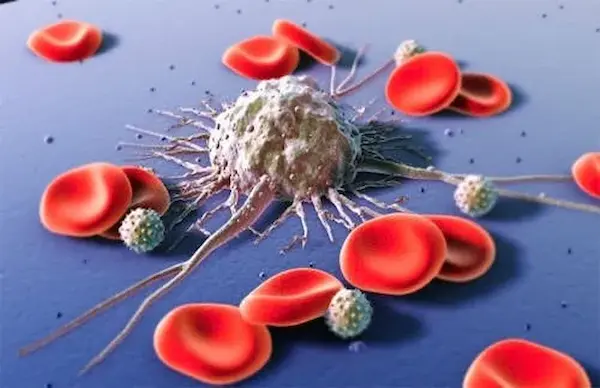
What is the difference in types of cancer?
The differences between types of cancer are due to a number of elements, including the following:
- Cell type. Each type of cancer begins in a specific type of cell. For example, an adenocarcinoma begins in glandular cells. These cellular differences affect the behavior of the cancer, how quickly it grows, and its response to treatment.
- Type of tissue: Different cancers arise in different types of tissue, such as connective tissue, which leads to sarcomas, and bone marrow, which leads to leukemia.
- The affected organ, as cancer can occur in any part of the body, such as the lung and colon. The location of the cancer greatly affects the symptoms it causes, how easily it spreads, and how it is diagnosed and treated.
- Growth rate: Some types of cancer grow slowly, while others grow very quickly.
- Ability to spread: Some types of cancer have the ability to spread to other parts of the body than others.
- Response to treatment: Types of cancer respond differently to different types of treatment.
- Genetic mutations: Each type of cancer is associated with a group of different genetic mutations that drive its growth and development, and understanding these mutations leads to more targeted treatments.
- Risk factors: Each type of cancer has specific risk factors associated with its development.
- Symptoms: Because they depend on the type, location and stage of cancer, some types of cancer may not show any early symptoms, while other types may cause obvious symptoms.
- Diagnosis and Treatment: Treatment plans and diagnostic strategies vary between different types of cancer and even within the same type, and depend on factors such as stage, grade, and general health of the patient.
Book your consultation now at Oncology center At Al Mousa Specialist Hospital.
How different types of cancer spread
The ways different types of cancer spread vary widely, but there are general mechanisms common to most types of cancer for spreading from their original site to other parts of the body, including:
- Local growth and expansion, where the cancer begins to grow in tissues adjacent to the organ in which it originated, and then directly invades nearby tissues by expanding and pressing on them, such as lung cancer that grows to press on nearby bronchial tubes or blood vessels.
- Spread through the lymphatic system, as the lymphatic system is a network of vessels and nodes that carry lymphatic fluid and immune cells throughout the body, so cancer cells begin to separate from the original tumor and enter the lymphatic vessels, to settle in them, move through them, and begin to form other secondary tumors.
- Spread through the bloodstream, where cancer cells penetrate the walls of blood vessels close to the original tumor and enter the bloodstream, and then move to any other part of the body, often settling in distant organs that contain a rich network of blood vessels, such as the liver, lungs, bones, and brain.
- Spreading through body cavities: Cancer cells can spread through body cavities in some cases, such as the peritoneal cavity surrounding the internal organs in the abdomen or the pleural cavity surrounding the lungs. This happens when the original tumor penetrates the surface of one of the organs and the cancer cells fall into the cavity, then they adhere to the surfaces of other organs in the cavity and begin to grow to form secondary tumors, such as the spread of ovarian cancer to the surfaces of other organs in the ovary.
- Direct local spread. Cancer can spread directly to another surface during surgery if cancer cells are accidentally implanted. This occurs in rare cases.
Everything you need to know about Head cancer From diagnosis to treatment
Frequently asked questions
What cancers are incurable?
The term incurable is given to cancer that has reached a stage where it cannot be completely eliminated with currently available treatments.
This does not necessarily mean that the patient will die soon, but rather it means that the treatment will only aim to control the growth and spread of the cancer, relieve symptoms, as well as improve the patient’s quality of life for as long as possible.
There are many types of cancer that can become incurable, especially if they are diagnosed in late stages or if they have spread to other parts of the body, including:
- Pancreatic cancer, because most cases are diagnosed in the late stages due to its unclear symptoms, which makes treatment difficult.
- Some types of lung cancer, especially small cell or non-small cell lung cancer, but in advanced stages.
- Cancer of the liver and bile ducts is difficult to treat due to the nature of the disease and the vital functions of the liver.
- Esophageal and stomach cancer, in most cases, is diagnosed in the late stages.
- Ovarian cancer can spread quickly and is often detected in the late stages.
- Advanced gliomas, a type of brain cancer, are difficult to treat due to their sensitive location in the brain and their ability to spread into brain tissue.
- Multiple myeloma, in some advanced cases despite the presence of treatments, often returns again.
Which cancer is the most painful?
It is difficult to definitively describe a particular type of cancer as the most painful because the experience of pain varies greatly between individuals and depends on several factors, including the type of cancer, its location, its stage, the individual response and pain tolerance of people, and cancer treatments themselves can cause pain.
However, there are some types of cancer that are not associated with severe pain in most cases, for example:
- Bone cancer, which is characterized by deep pain that increases with night or movement, and cancer that spreads to the bones is one of the most common and painful types of cancer pain.
- Pancreatic cancer is characterized by severe pain and spreads from the abdomen to the back, as a result of tumor pressure on surrounding nerves or blockage of the pancreatic ducts.
- Cancers of the head and neck cause severe pain due to the presence of many sensitive nerves in this area, in addition to the effect of tumors on swallowing and breathing.
- Cancers that invade nerves, such as pancreatic cancer, have a tendency to invade surrounding nerves, causing burning nerve pain.
What is the weakest cancer?
There is no specific medical definition of the weakest cancer in terms of its biological strength or ability to cause harm, but the weakest can be interpreted as cancers with higher survival rates, such as:
- Thyroid cancer, especially in the early stages.
- Prostate cancer is usually slow-growing and highly treatable.
- Testicular cancer.
- Skin cancer or melanoma, in its early stages.
- Breast cancer in its early stages.
- Less aggressive, lower-grade cancers whose cells are more similar to normal cells tend to grow and spread more slowly.
In conclusion, there are a large number of different types of cancer, and each type carries its own challenges in diagnosis and treatment, and while oncology is witnessing promising developments that increase the chances of recovery and control of many cases, some cancers are still incurable until now.
The role of Al Mousa Specialist Hospital is highlighted by its efforts to provide the latest technologies and the best expertise in diagnosing and treating various types of cancer, and its constant striving to provide the best possible care for patients, even in the most difficult cases, with a focus on improving their quality of life and providing full support to them and their families.
You can contact us on our numbers listed on the website for more details, reservations and inquiries.
المصادر والمراجع:
Types of cancer – cancerresearchuk
Types of cancer – cancer
