
Would you like to know more information about vaginitis suppositories?
These suppositories contribute to fighting the infection causing inflammation in the affected area, which includes the following
- Bacteria.
- Fungi.
- Parasites.
It also helps you provide comfort and restore the natural balance of the vagina.
What are vaginitis suppositories?
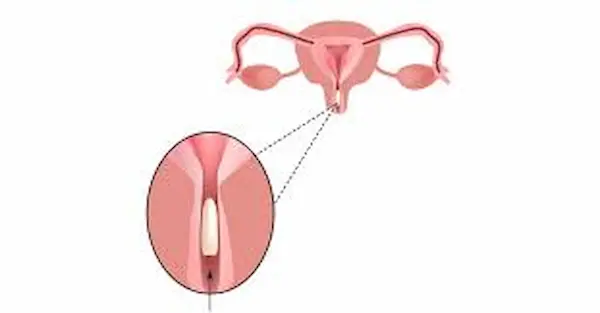
Vaginitis suppositories are a type of solid medication that is inserted into the vagina and turns into a liquid when heated to body temperature, releasing the active ingredients directly into the affected area.
Because they are considered fast-acting, doctors may prefer them over oral medications, thanks to their absorption directly into the bloodstream.
- Itching.
- الألم.
- Heartburn.
- Abnormal secretions.
Also find out what it is أعراض قرحة الرحم؟
Types of vaginitis suppositories
Vaginitis suppositories are classified into several types, depending on the type of infection they treat, including:
1- Bacterial vaginosis suppositories
This type is a successful treatment option for bacterial vaginosis, such as clindamycin.
2-Vaginal suppositories for yeast infections
This type is useful because it targets more than one strain of Candida fungi.
3- Vaginal suppositories to treat trichomoniasis
These suppositories are used to treat trichomoniasis, which oral antibiotics have not been effective in treating. They include metronidazole, which is the first choice for treating this health problem.
4- Antiseptic vaginal suppositories
These suppositories contribute to the following
- Vaginal cleansing.
- Treatment of ulcers.
- Tissue regeneration.
- Moisturize it.
- Restore natural bacterial balance.
An example of this type is butyl.
Indications for using vaginitis suppositories
Your doctor may advise you to use vaginitis suppositories to treat many conditions associated with infection and inflammation in that area, such as:
- Trichomoniasis
It is an infection caused by the parasite Trichomonas vaginalis. It is transmitted during sexual intercourse and results in yellow or green, frothy, foul-smelling secretions.
- Yeast infection (candidiasis)
This infection is very common among women, and your doctor may advise you to use these suppositories.
- Itching.
- Burning sensation.
- Thick, white, cheese-like discharge.
- Bacterial vaginosis
This inflammation results from an imbalance in the vaginal bacteria, and may lead to unpleasant odor and abnormal secretions.
Also learn about Vaginismus.
How to use vaginal suppositories correctly
You must adhere to the following steps when using vaginitis suppositories, in order to get the best results.
- Wash your hands and vaginal area with gentle soap and warm water, then dry them well with a clean towel to prevent the spread of bacteria.
- Remove the suppository wrapper and applicator.
- Hold the applicator base with one hand, then insert the suppository into it with the other hand.
- You can use vaginal suppositories in the following situation
- Either lie on your back with your knees bent.
- Or stand with your legs shoulder-width apart and raise one foot on a bench or other elevated platform.
- Place the applicator at the vaginal opening, then insert it gently as far as possible without causing any discomfort.
- Squeeze the applicator plunger as far as it will go, this will push the suppository into the vagina.
- Remove the applicator slowly and gently.
- If the applicator is reusable, you should wash it with soap and warm water, but if it is not usable, you should dispose of it immediately.
- Wash your hands immediately with warm water and soap.
Advantages of vaginitis suppositories
Vaginitis suppositories have many advantages, which make them an effective treatment option for getting rid of the problem of inflammation, including the following:
- Rapid absorption, as they dissolve when inserted into the vagina, releasing the medication, and absorbing more quickly into the bloodstream.
- Fewer systemic side effects, because it works locally and does not affect the entire body.
- Suppositories are an excellent alternative for women who cannot swallow pills, experience nausea, or have conditions that affect their ability to take medications orally.
- These suppositories may help you restore the natural balance of your vagina, preventing future infections from recurring.
- Vaginal suppositories help fight infections causing inflammation in the affected area.
- Ease of use.
- Suppositories can provide lubrication, which is helpful if you suffer from vaginal dryness.
Possible side effects
Although vaginal suppositories are a safe and effective treatment, they may cause you some side effects, such as:
- الإسهال.
- الغثيان.
- القيء.
- Headache.
- Mild itching in the vaginal area.
- Increase in vaginal discharge.
- الدوخة.
- Sleepiness.
- Vaginal burning.
But if you develop the following symptoms, you should seek immediate medical help, including:
- Stomach pain.
- Tingling or numbness in the hands or feet.
- Urine color changes to dark.
- An allergic reaction to these suppositories, and its symptoms include the following
- Itching.
- طفح جلدي.
- التورم.
- صعوبة في التنفس.
Precautions and warnings before use
There are many precautions and warnings that must be known before using vaginitis suppositories, in order to ensure the safety and effectiveness of treatment.
Precautions and warnings include the following:
- It is preferable to use suppositories immediately before bedtime, in order to prevent the medication from leaking from the vagina as a result of movement while walking or standing.
- You should always wash your hands and vaginal area well with soap and warm water during and after treatment.
- Avoid exercising or going to the bathroom for 15 to 30 minutes after applying the suppositories, to prevent leakage of the medication.
- You can continue to use these suppositories during your menstrual period, but your doctor may advise you to avoid them during that period, because the blood flow may cause the suppositories to come out before they dissolve.
- Avoid sexual intercourse when using vaginitis suppositories, because intercourse may exacerbate gynecological infections.
- Do not use vaginal douche, because it may affect the natural balance of the vagina.
- You should consult a doctor when using these suppositories during pregnancy or breastfeeding, because some suppositories may be unsafe for your child.
How do we differentiate between bacterial and fungal vaginosis?
The difference between bacterial and fungal vaginosis lies in the following table
| Bacterial vaginosis | Fungal vaginitis | |
| the reason | It occurs as a result of a natural bacterial imbalance in the vagina. | It occurs as a result of excessive growth of the Candida fungus in the vagina. |
| Form of secretions | Gray or white watery discharge, which usually appears after intercourse. | Thick, white, clumpy vaginal discharge. |
| The smell | An unpleasant fish-like odor. | Without smell. |
| الأعراض المصاحبة |
But it does not cause redness or severe inflammation. |
|
Frequently asked questions about vaginitis suppositories
If you suffer from vaginal infections, you may have many questions in mind, such as:
What are the best vaginal suppositories for infections?
Your doctor may choose the best type of vaginal suppositories for you, depending on the type of infection you are suffering from, but he usually recommends miconazole suppositories to treat fungal vaginal infections, and metronidazole to treat bacterial vaginosis, or trichomoniasis.
Do vaginal suppositories eliminate infections?
Yes, vaginal suppositories help you fight infections, such as bacteria, fungi, or parasites that cause inflammation in the affected area.
What is the strongest treatment for vaginal infections?
It is not possible to determine the strongest treatment for vaginal infections, due to the difference in the type of infection causing the inflammation.
In conclusion, you now understand, dear reader, what vaginitis suppositories are?
Therefore, if you are suffering from vaginal infections, you must go to the Women’s Health Center at Al Mousa Specialist Hospital immediately, so that the best obstetricians and gynecologists can help you accurately diagnose your condition and determine the type of suppositories appropriate for your condition.
