
What is Crohn's disease?
What is Crohn's disease?
In response to the question: What is Crohn's disease?
Symptoms of Crohn's disease
It is important to know the symptoms of the disease, along with what is Crohn's disease. The symptoms of Crohn's disease may vary from one person to another depending on the severity of the inflammation and the location of the infection in the digestive system, but they often include:
- Recurring pain and cramps in the abdomen.
- Chronic diarrhea that may be accompanied by blood or mucus.
- Unexplained weight loss.
- Loss of appetite and feeling tired and exhausted.
- Sometimes a slight increase in temperature.
- Ulcers in the mouth or around the anus.
- Delayed growth in children and adolescents.
Symptoms may appear in the form of attacks that increase in intensity at certain periods and then subside, which makes the disease characterized by a chronic and intermittent nature.
Learn about: Gastroenterology diseases
Causes of Crohn's disease
The causes of Crohn's disease are complex and not fully understood, but they are linked to several factors, including:
- Immune factors: The immune system mistakenly attacks the tissues of the digestive tract, causing chronic inflammation.
- Genetic factors, as having a family history of the disease increases the likelihood of infection.
- Environmental factors, including smoking, eating certain foods, or exposure to pollutants, may all increase the risk of infection.
- Bacterial factors include an imbalance of bacteria in the intestine, which contributes to activating inflammation.
These factors interact together to lead to the emergence of the disease, although the exact cause remains unknown until now, which makes diagnosis and medical follow-up necessary.
Factors that increase the risk of developing Crohn's disease
There are several factors that may increase the risk of developing Crohn's disease, most notably:
- Genetic factors, including having a relative with the disease, increase the likelihood of infection.
- Smoking increases the severity of the disease and the possibility of complications.
- The disease is most often diagnosed in people under the age of 30, although it can appear at any age.
- Some studies suggest a spectrum difference by gender, but the effect is less clear.
- Environmental factors: Living in urban areas or exposure to certain pollutants may increase the risk.
- An imbalance of intestinal bacteria leads to increased inflammation and stimulation of the immune system.
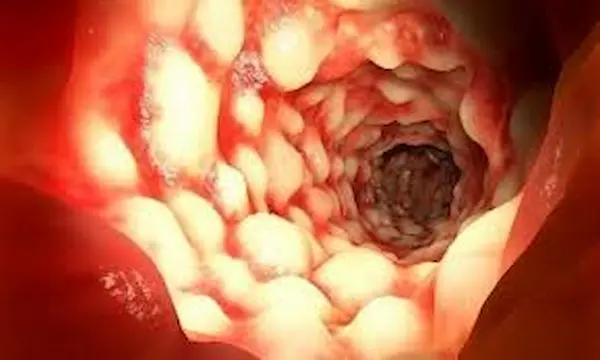
Crohn's disease treatment
After you have learned what Crohn's disease is, now we would like to shed light with you on the treatment methods. Treatment of Crohn's disease mainly aims to reduce inflammation, control symptoms, prevent complications, and preserve the patient's quality of life. There is still no definitive cure for the disease, but it can be controlled using several integrated methods. It should be noted that success in treating Crohn's disease depends on an individual treatment plan developed by the specialist doctor based on the severity of the disease, the location of the infection, and the patient's health condition. The methods of treating Crohn's disease come as follows:
العلاج الدوائي
- Anti-inflammatory medications such as sulfasalazine or mesalazine to reduce bowel inflammation.
- Corticosteroids to reduce acute inflammation during attacks, but their long-term use is limited to avoid side effects.
- Immunosuppressive medications such as azathioprine or methotrexate to control immune system activity.
- Biological therapies such as infliximab and adalimumab, which are newer drugs that target specific proteins in inflammation.
Nutrition and nutritional support
- Follow a balanced diet to avoid worsening symptoms.
- Sometimes the patient needs special feeding through tubes or nutritional supplements to compensate for the lack of weight and vitamins.
Surgery
- It is used only when drug treatment fails or when complications such as intestinal obstruction, bleeding, abscesses or fistulas appear.
- It may include removing the affected part of the intestine or correcting abnormalities caused by inflammation.
تغيير نمط الحياة
- Quitting smoking reduces the severity of the disease and attacks of inflammation.
- Managing stress and stress helps reduce flare-ups.
المتابعة الطبية الدورية
Regular examinations such as endoscopy or radiology to ensure that inflammation is controlled and to monitor possible complications.
Book your consultation now at Digestive Diseases Center At Al Mousa Specialist Hospital.
متى يجب زيارة الطبيب؟
You should visit your doctor immediately if any of the following signs appear in a Crohn's disease patient:
- Worsening abdominal pain or severe bouts of cramps.
- Diarrhea that is persistent, bloody or accompanied by mucus.
- Rapid or unexplained weight loss.
- Persistent fever or abnormally high temperature.
- Symptoms of nutritional deficiency such as extreme fatigue or anemia.
- Signs of possible complications such as intestinal obstruction, abscesses or fistulas.
- Current treatment fails to control symptoms or attacks become increasingly frequent.
After we learned together about what Crohn's disease is, its symptoms, causes, and methods of treatment, if you suspect that you have Crohn's disease or suffer from chronic symptoms in the digestive system, do not delay in seeking diagnosis and treatment. Book now at Al Mousa Specialist Hospital, where a specialized team of gastroenterologists provides precise care and modern treatment plans.
Frequently asked questions
How many years does a Crohn's disease patient live?
Crohn's disease usually does not directly reduce life expectancy. With early diagnosis, continuous medical follow-up, and appropriate treatment, the patient can live a long, normal life, but the quality of life depends on controlling symptoms and preventing complications such as intestinal obstruction or severe infections. Also, adherence to drug treatment, proper nutrition, staying away from smoking, and following up on periodic examinations are all important factors for improving life expectancy and reducing attacks of the disease, so it can be said that Crohn's disease is chronic, but it can be managed effectively without affecting life expectancy in most patients.
Is Crohn's disease a serious disease?
Crohn's disease is a chronic disease, but it can become dangerous if it is not diagnosed or treated properly, because it causes deep infections in the digestive system that may lead to complications such as intestinal obstruction, abscesses, fistulas, and severe nutritional deficiency. It can also increase the risk of some intestinal tumors in the long term. However, with careful medical follow-up, adherence to drug treatment, proper nutrition, and avoiding irritating factors such as smoking, the disease can be effectively controlled and its risks reduced, which makes the disease manageable and maintains a good quality of life for most patients.
Can Crohn's disease be completely cured?
Crohn's disease cannot be completely cured yet. It is a chronic disease that affects the digestive system and is characterized by periods of activity, attacks, and periods of calm. However, symptoms and inflammation can be effectively controlled using appropriate drug therapy, proper nutrition, and lifestyle changes. The main goal of treatment is to reduce attacks, prevent complications, and maintain quality of life. Patients who adhere to the treatment plan can live a relatively normal life even though the disease remains present, which makes periodic follow-up with a doctor necessary to ensure ongoing control.
Medical sources
mayo clinic – What is Crohn’s disease
nhs uk – Crohn’s disease
