
The symptoms of hand eczema, such as itching, redness, and constant dryness of the hands, affect the quality of daily life, performing simple household activities, or using the hands at work. If you are looking for a deep understanding of this condition, follow with us this article presented by Al Mousa Specialist Hospital. We will explain to you the most common causes of hand eczema, in addition to the latest methods of diagnosis and treatment in the hospital, and the most prominent methods of preventing it.
What is hand eczema?
Eczema is one of the chronic, non-contagious skin infections that affects the skin, and when it affects the hands it is known as hand eczema, dyshidrosis, or hand dermatitis.
The symptoms of hand eczema affect the quality of the patient's daily life, as they basically damage the protective layer of the skin called the skin barrier, which makes the skin vulnerable to irritation and external factors. It also loses its moisture, leading to the appearance of annoying symptoms of the disease.
Types of hand eczema
Hand eczema is an umbrella term for a group of types of dermatitis affecting the hands. Each type has different characteristics and causes. The most prominent of these types include the following:
-
Dyshidrotic eczema
It is a type of hand eczema that appears on the palms of the hands and sides of the fingers in the form of small blisters or fluid-filled vesicles, causing severe itching and may be painful, and with sweating, stress, or exposure to allergens, the condition may worsen.
-
التهاب الجلد التماسي
It is the most common type of hand eczema, and is divided into two main types:
- Irritant contact dermatitis occurs as a result of skin contact with an irritating substance causing direct damage to the protective layer of the skin, such as exposure to a strong substance such as citrus or alkali.
- Allergic contact dermatitis occurs as a result of the skin coming into contact with an allergenic substance in the body, which leads to an immune reaction. This does not happen immediately, but may take 24-72 hours after exposure to the substance.
-
التهاب الجلد التأتبي
This type of eczema is linked to a genetic predisposition to allergies, as it affects the hands, especially in people with a weak skin barrier, and causes severe dryness, itching, and redness.
-
Hyperkeratotic palmar eczema
This type of hand eczema usually affects middle-aged men, and is characterized by thick, cracked skin, crusts in the palms, and severe skin irritation.
-
Scalp eczema or discoid eczema
This type is characterized by the appearance of circular or oval, coin-like spots that may ooze fluid and peel, and are usually associated with infection, physical or chemical bruising, and dry skin.
-
التهاب الجلد العصبي
It is a chronic skin condition that begins with severe localized itching in a specific area of the skin. Continuous and repeated scratching leads to worsening of the itching, thickening of the skin, and change of color. It is often associated with stress or anxiety.
-
Contact dermatitis
This type of eczema occurs as a result of direct and repeated contact of the skin with something or another skin, which leads to irritation and damage to the outer layer of the skin. It usually affects housewives and cleaners due to the repeated use of water and detergents.
-
Apron or apron eczema
It is one of the types of chronic eczema that affects the hands, but it takes a distinctive shape due to its location. It appears mainly on the inner sides of the adjacent fingers, that is, between the fingers, especially between the middle finger and the ring finger, or between the index finger and the thumb. The shape caused by these inflamed spots gives a visual impression like an apron covering these parts of the hand.
You can read Did you know الفرق بين الاكزيما والصدفية؟ فلنتعرف عليه معًا
Causes of hand eczema
The causes of hand eczema include a combination of genetic and environmental factors, making it a complex condition. The most prominent of these causes include the following:
- Genetic factors and family history of infection, as some people suffer from a weak skin barrier, which means that the outer layer of the skin is less able to retain moisture and protect the skin from external irritants.
- Frequent exposure to water, especially hot water, removes natural oils from the skin and makes it dry and susceptible to irritation.
- Excessive use of strong soaps and detergents strips the skin of its natural oils and damages the protective barrier, because they contain harsh chemicals.
- The skin of the hand is exposed to chemicals such as solvents, bleaching materials, acids and alkalis, materials used in industrial detergents, and building materials such as cement.
- Constant friction with clothing or tools, or repeated pressure on the hands can cause skin irritation.
- Exposure to extreme heat or extreme cold, as well as sudden changes in temperature.
- Exposure to allergens, such as perfumes, preservatives, nickel, cobalt, and chromium.
- Excessive sweating, which causes skin irritation.
Symptoms of hand eczema
Hand eczema causes some symptoms that vary in severity and appearance depending on the type of eczema, but generally include:
- Severe itching is a common symptom of hand eczema. The itching may be persistent and get worse at night, affecting sleep and daily activities.
- Dry skin and peeling, especially in chronic types, as a result of a weak skin barrier that loses its ability to retain moisture.
- Patches of redness and inflammation appear on the affected skin areas, and appear in people with dark skin, dark brown or purple.
- Swelling of the hands or parts of them due to inflammation and fluid accumulation under the skin.
- Skin cracks, especially on the fingers, knuckles, or palms, as a result of severe dryness. They may be deep and very painful, and may bleed, increasing the risk of bacterial infection.
- The appearance of small or large scales on the surface of the skin, as a result of accelerated skin cell renewal in an attempt to repair the damage.
- The appearance of small blisters or bubbles, which is particularly characteristic of the dyshidrosis type.
- Thickening and hardening of the skin, in chronic cases or as a result of chronic and continuous scratching.
- Feeling severe pain or burning in the hands, especially in areas of cracks or severe inflammation.
If you develop any of the symptoms, book your consultation now at مركز الجلدية والتجميل At Al Mousa Specialist Hospital
How to diagnose hand eczema
Hand eczema is usually diagnosed at Al Mousa Specialist Hospital by a dermatologist through a set of steps that mainly include the following:
- Taking a detailed medical history, where the dermatologist asks the patient about the symptoms, when they appeared, their pattern, whether there are triggers, whether the nature of his work exposes him to certain substances, and knowledge of the family history of eczema or allergies.
- A careful physical examination of the hands to evaluate the appearance of the skin, the extent of the infection and whether there are any signs of infection.
- Patch testing, to diagnose allergic contact dermatitis, in which small amounts of common allergens are placed on adhesive patches and attached to the back, left for 48 hours, and then the skin is examined to evaluate for any allergic reaction where the substance was applied, which indicates an allergy to it.
- Skin swab or skin scraping, to rule out fungal or bacterial infection that may mimic eczema.
- Blood tests, such as a complete blood count to determine the number of white blood cells and check the level of immunoglobulin E in the blood.
you can get to know know about Eczema treatment for children What are the methods of prevention?
Methods of treating hand eczema
Hand eczema treatment at Al Mousa Specialist Hospital aims to relieve symptoms, reduce inflammation, restore the protective skin barrier and prevent complications. It requires a multi-pronged approach and may take some time to control the condition effectively. The main methods of treatment include the following:
1. Avoid irritants and stimulants
This is the main step in treating and preventing hand eczema. Triggers of inflammation must be identified and avoided, including:
- Avoid excessive hand washing, and use lukewarm water instead of hot.
- Use gentle cleansers that are free of perfumes, dyes, and harsh chemicals.
- Wear protective cotton gloves under rubber or vinyl gloves when performing tasks that require exposure to water or chemicals.
2.Intensive hydration
Moisturizing is the golden key in treating hand eczema, as it helps repair the skin barrier and restore its moisture. You must:
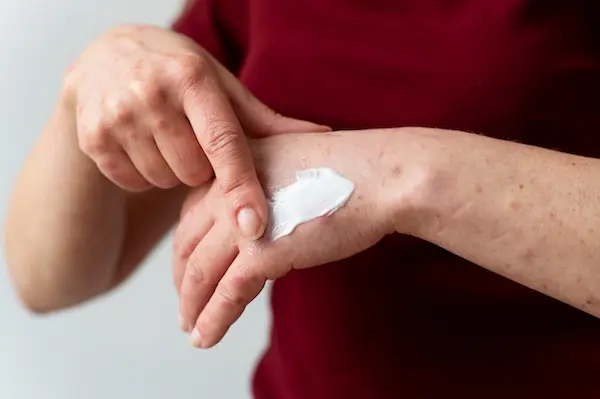
- Use thick, ointment-based moisturizers, such as Vaseline, and thick creams rather than light lotions, for better protection.
- Continuous and regular use of moisturizers. Moisturizer should be applied several times a day, especially immediately after washing hands or showering while the skin is still wet.
- Maintain nighttime hydration and apply a thick layer of moisturizer before bed and wear cotton gloves to increase absorption and maintain moisture throughout the night.
3. Treatment with medications
They are prescribed by a dermatologist to control inflammation and itching, and include the following:
- Topical corticosteroids are common and effective medications for reducing inflammation and itching. They are available in different concentrations.
- Topical calcineurin inhibitors, such as tacrolimus and pimecrolimus, are prescribed by the doctor as an alternative to corticosteroids, especially in sensitive areas or for long-term use, as they do not cause skin thinning.
- Topical antipruritics. Some creams may contain ingredients such as menthol or camphor to relieve temporary itching.
- Oral corticosteroids are used by the doctor in severe cases or those resistant to topical treatment such as prednisone. They are used for a short period to control severe eczema attacks. Long-term use is not recommended due to side effects.
- Oral antihistamines, especially drowsy types, can help reduce itching and improve sleep, especially if the itching is severe at night.
- Immunosuppressive medications, such as methotrexate, cyclosporine, or azathioprine, are prescribed by the doctor in cases of chronic and very severe hand eczema that does not respond to other treatments and requires close medical follow-up.
- Other treatments include phototherapy known as polyurethane, ultraviolet A, or narrow-band ultraviolet B therapy, which involves exposing the hands to ultraviolet light under medical supervision, and is an effective option for chronic, moderate to severe cases that have not responded to topical treatments.
- Secondary treatments, such as antibiotics in the case of bacterial infections, and antifungals in the case of fungal infections
How to prevent hand eczema
Trying to prevent hand eczema plays a crucial role in controlling it and reducing attacks. The most prominent methods of prevention include the following:
- Protecting hands from exposure to irritants and causes.
- Wear protective gloves while washing dishes and cleaning.
- Avoid wearing rubber gloves, and if necessary, wear cotton gloves underneath to protect the skin.
- Continuous and regular moisturizing with thick moisturizers, especially after washing hands and at night.
- Use gentle, fragrance-free soaps and detergents.
- Avoid scratching and scratching the skin, as it damages the skin barrier and increases inflammation.
- Deal with cold and dry weather by warming and moisturizing your hands, and avoiding excessive sweating in hot and humid weather.
The Dermatology and Cosmetic Center at Al Mousa Specialist Hospital offers a wide range of therapeutic and cosmetic services at the hands of the most skilled medical professionals in the field of dermatology and cosmetics.
Frequently asked questions
What does eczema look like at its beginning?
At the beginning of eczema, you begin to feel itchy before any obvious rash appears, then you notice that the skin has become dry and slightly tight in the affected area, and there may be slight peeling or the appearance of very fine scales with slight redness or change in skin color with a feeling of roughness to the touch.
In some types of eczema, especially dyshidrosis in its early stages, very small blisters the size of a pinhead or less may appear. They may be fluid-filled or just slightly hard bumps. These blisters may be invisible to the naked eye at first but cause intense itching.
What causes eczema to appear suddenly?
The sudden appearance of eczema is often the result of a complex interaction between genetic predisposition and certain environmental factors. It may seem sudden because it was not present before or because the initial symptoms were mild and unnoticeable, then something happened that triggered a severe and obvious attack.
What does eczema indicate?
Eczema is a common skin infection that causes several things, including:
- Poor skin barrier.
- Overactive immune system or exaggerated response.
- The presence of a genetic predisposition in the individual.
- Skin sensitivity to certain environmental stimuli.
In conclusion, you can restore the comfort of your hands in a dignified way by understanding the causes, applying all prevention tips, and adhering to the treatment plan appropriate for your condition. Patience and seeking specialized medical care is a crucial step towards recovery.
At Al Mousa Specialist Hospital, we realize the extent of the impact of this condition on the patient’s quality of life. The hospital includes a team of highly experienced dermatologists who are equipped with the latest diagnostic and therapeutic technologies to provide comprehensive care tailored to your needs.
Do not let hand eczema control your life and do not hesitate to visit us to obtain advice and optimal treatment. You can contact us on our numbers listed on the website for more details, reservations and inquiries.
المصادر الطبية:
Hand Eczema – nationaleczema
Eczema on Hands – webmd