
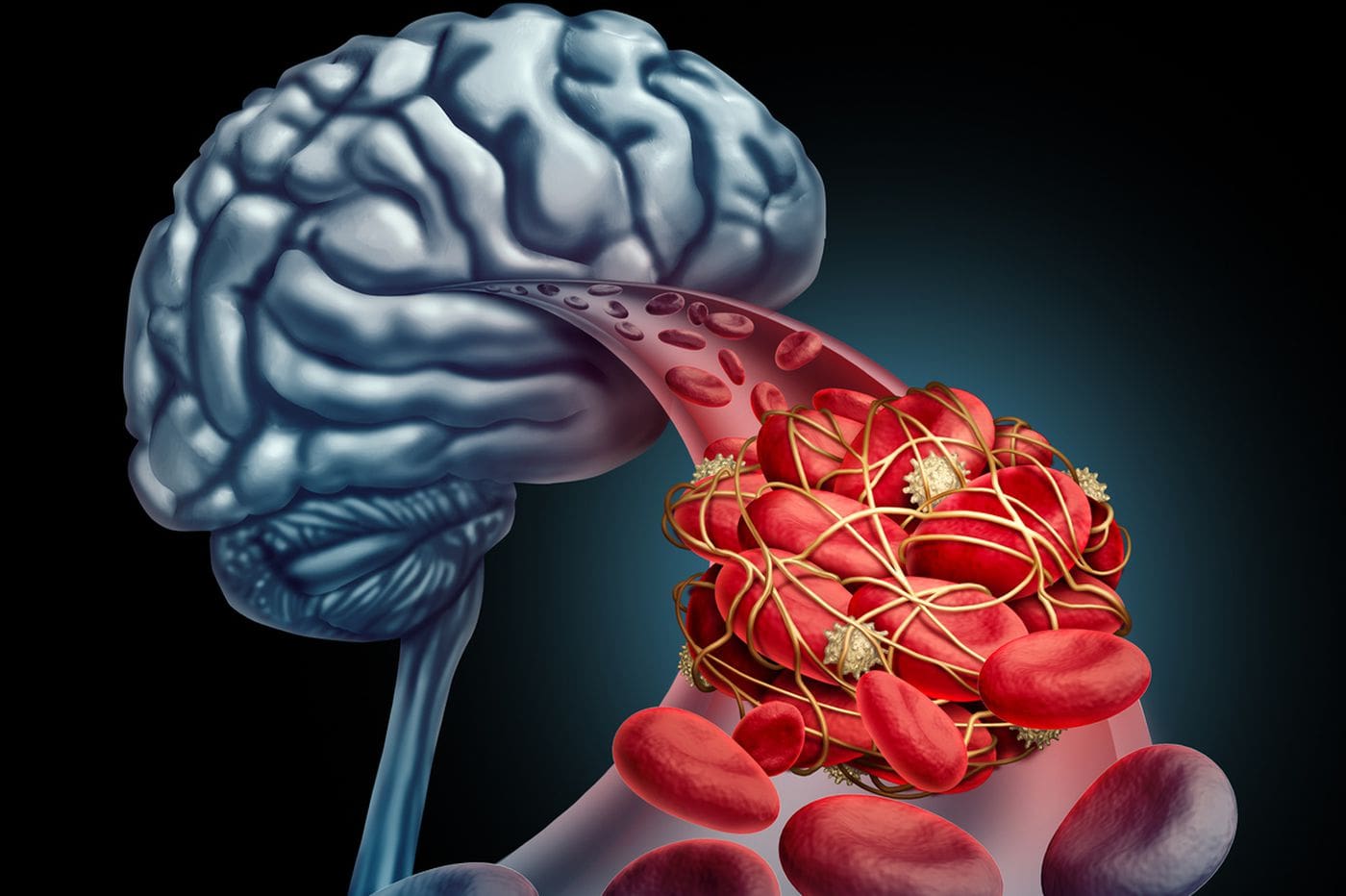
stroke program
A stroke is the result of a circulatory disorder in the brain. Symptoms can range from paralysis, sensory disturbances, swallowing and speech disorders, and impairment of cognitive abilities. A stroke is always an emergency and has to be treated immediately. This finding is based on the experience that all improvement measures within the first 3 hours (preferably in the first hour) have the best effect. Following acute treatment, lost skills can be partially or fully recovered in a specialized rehabilitation facility.
Stroke is the fifth-leading cause of death in Kentucky. Getting treatment as soon as a stroke occurs can make a huge difference in survival and recovery.
Our stroke program is a key part of ASH Neurosciences center. There is a dedicated, inpatient stroke unit with the most advanced stroke service is staffed full-time by our talented vascular neurologists. Leading-edge treatments for ischemic stroke that we can offer include intravenous thrombolysis, intra-arterial thrombolysis
Stroke team formed by one Consultant cerebrovascular and Endovascular Neurosurgeon, Four Consultant Neurologists and one Consultant interventional radiologists can efficiently handle such top emergencies.
“Time is Brain!” is a direct way of conveying that stroke is a top medical emergency. It simply means that the more time passes before a stroke patient receives a definitive treatment, the worst the repercussions will be. But it also means that if the stroke is treated immediately, the brain damage will be minimized.

How Is Stroke Treated?
A stroke occurs when the blood supply to a part of the brain is interrupted. It is a medical emergency that can be life-threatening. The faster bystanders call emergency services or transfer the patient to the Emergency Department, the lower the risk of complications such as brain injury or death.
This article explains how stroke is treated, its causes, major risk factors, and the main types of stroke.
Causes and Risk Factors
Stroke is a serious condition because it deprives brain tissue of oxygen and blood, potentially leading to life-threatening complications. Major risk factors include:
Heavy smoking
Excessive alcohol consumption
Arterial (vascular) disease
Poorly controlled blood pressure and blood glucose
A strong family history of thrombosis or stroke
Stroke Symptoms
Reduced cerebral perfusion damages brain cells and tissues. Symptoms typically appear in body parts controlled by the affected brain region and may include:
Numbness or weakness in the face, arm, or leg—often on one side of the body
Speech disturbance or difficulty understanding others
Decreased vision in one or both eyes, sometimes with diplopia (double vision)
Loss of balance or coordination
Sudden, severe headache without a clear cause, possibly with vomiting, severe dizziness, or loss of consciousness
If you notice any of these symptoms, call Saudi Arabia’s unified emergency number 997 immediately to ensure timely care.
Potential Complications
Without urgent treatment, stroke may lead to:
Brain injury
Permanent paralysis
Death
Types of Stroke
1) Ischemic (Occlusive) Stroke
Represents approximately 85% of all strokes. It results from blockage of blood vessels supplying the brain (due to thrombus formation or atherosclerotic fat/cholesterol deposits). When oxygen delivery falls, brain cells begin to die within minutes.
2) Hemorrhagic Stroke
Caused by bleeding within the brain due to vessel rupture. As intravascular pressure rises, the vessel wall stretches and weakens; if it ruptures, blood leaks into brain tissue.
Subtypes include:
Intracerebral hemorrhage (ICH): bleeding within brain tissue (the most common hemorrhagic type).
Subarachnoid hemorrhage (SAH): bleeding into the space between the brain and its surrounding membranes.
Diagnosis
Stroke evaluation typically includes:
Clinical examination: neurological assessment, blood pressure measurement, and cardiac auscultation, along with a focused symptom history.
Laboratory tests: blood glucose, lipid profile, and coagulation studies.
Neuroimaging:
Computed tomography (CT) scan to rapidly detect intracranial hemorrhage.
Magnetic resonance imaging (MRI) to delineate ischemic injury and assess severity and location.
Treatment
Ischemic Stroke (due to an arterial clot)
Intravenous thrombolysis (clot-dissolving medication): initiated as soon as possible within 3–4.5 hours of symptom onset. This breaks down the clot and restores cerebral blood flow and oxygen delivery. Brain imaging is required first to confirm the absence of hemorrhage.
Mechanical thrombectomy (clot retrieval): removal of the thrombus from the occluded vessel, particularly in severe ischemic strokes involving large cerebral arteries. A catheter is introduced through a peripheral artery (commonly the femoral artery) and navigated to the affected brain vessel to extract the clot using a dedicated device. Performed under general or local anesthesia, based on clinical judgment.
Hemorrhagic Stroke
Management focuses on controlling bleeding, stabilizing the patient, managing intracranial pressure, addressing the underlying cause, and considering neurosurgical intervention when indicated.
Transient Ischemic Attack (TIA)
A brief, ischemic “mini-stroke” with symptoms often lasting about five minutes. TIA is a warning sign for future stroke; approximately 10–15% of patients may experience a stroke within the next three months to one year. Urgent medical evaluation is essential, and prompt therapy helps prevent subsequent ischemic strokes. Treatment may include timely intravenous thrombolysis when clinically appropriate and within recommended time windows.
Duration of Treatment and Hospital Stay
The overall treatment duration varies. Many patients require inpatient monitoring for 5–7 days following emergency care, along with an individualized rehabilitation plan.
Stroke Rehabilitation at Almoosa Specialist Hospital
At Almoosa Specialist Hospital, many patients benefit from a comprehensive post-stroke rehabilitation program after the acute phase. Services include:
Ongoing medical follow-up
Speech and language therapy for communication disorders
Physical therapy and motor rehabilitation to improve mobility and function
Psychological support and counseling
Care is delivered by a multidisciplinary team of trained specialists to help patients regain independence and quality of life.